
Buying a condo is a big step, but protecting it is even more important. Many condo owners realize that their homeowner’s association (HOA) master policy doesn’t cover their personal unit or belongings. That’s where condo insurance (also called HO-6 insurance) comes in. Choosing the right policy can feel confusing, especially with so many options, coverage types, and price differences. This guide will help you compare condo insurance policies with confidence, understand the fine print, and avoid costly mistakes.
What Is Condo Insurance And Why Do You Need It?
Condo insurance protects you from losses that your HOA master policy does not cover. The HOA’s policy usually insures the building’s structure and shared areas, but you are responsible for your unit’s interior and your personal property.
For example, if a pipe bursts and damages your living room floor, your personal condo insurance will cover the repairs. If your laptop is stolen, or if a guest slips and gets hurt inside your unit, your policy steps in.
Without proper coverage, you could face large out-of-pocket expenses.
Many mortgage lenders require condo insurance, but even if yours does not, it’s a smart way to safeguard your investment and avoid financial surprises.
Key Coverages In Condo Insurance Policies
Not all condo insurance policies are the same. Here are the main coverage types you’ll find:
1. Building Property Coverage
Covers the interior of your unit—walls, floors, ceilings, and sometimes fixtures like cabinets and sinks. It bridges the gap between your responsibility and the HOA’s responsibility.
2. Personal Property Coverage
Protects your belongings, such as furniture, electronics, and clothes, from risks like fire, theft, or vandalism.
3. Loss Of Use (additional Living Expenses)
Pays for temporary housing and extra living costs if your condo becomes uninhabitable due to a covered event.
4. Personal Liability Coverage
Helps pay for legal fees or medical expenses if someone is injured inside your condo and you’re found responsible.
5. Medical Payments To Others
Provides limited coverage for medical bills if a guest gets hurt, regardless of fault.
6. Loss Assessment Coverage
Pays your share if the HOA charges unit owners for a covered loss in shared areas.
Optional Add-ons
- Water backup coverage: For damage from sump pump failures or drain backups.
- Identity theft protection: Helps with costs if your identity is stolen.
- Valuable items coverage: Extra protection for jewelry, art, or collectibles.
Credit: tgsinsurance.com
Comparing Coverage: What Really Matters?
When comparing condo insurance policies, focus on these key factors:
Coverage Limits
Each coverage type has a limit—the maximum amount the insurer will pay. For example, you might have $50,000 for personal property, but only $1,000 for jewelry. Make sure your limits match the value of your belongings and the potential cost of repairs.
Deductibles
The deductible is the amount you pay before insurance kicks in. A higher deductible lowers your premium but means more out-of-pocket cost if you file a claim. Common deductibles range from $500 to $2,500.
Perils Covered
Some policies cover named perils (specific risks like fire or theft), while others offer all-risk or open-peril coverage, which insures against everything except what’s specifically excluded. All-risk policies usually cost more but cover more scenarios.
Actual Cash Value Vs. Replacement Cost
- Actual Cash Value (ACV): Pays what your items are worth today, minus depreciation.
- Replacement Cost: Pays what it costs to buy new items, with no depreciation.
Replacement cost coverage is more expensive but offers better protection.
Sample Comparison: Three Leading Condo Insurers
To help you see the differences, here’s a side-by-side look at three popular insurers:
| Feature | Company A | Company B | Company C |
|---|---|---|---|
| Personal Property Limit | $40,000 | $50,000 | $35,000 |
| Building Property Limit | $20,000 | $25,000 | $30,000 |
| Loss Assessment | $1,000 | $2,000 | $5,000 |
| Deductible | $1,000 | $500 | $1,500 |
| All-Risk Option | Yes | No | Yes |
| Monthly Cost | $40 | $45 | $36 |
This sample shows how coverage limits and costs can vary. Company C offers the highest loss assessment coverage, but Company B’s lower deductible could mean smaller out-of-pocket costs during a claim.
Real-world Examples: How Coverage Works
Let’s look at how condo insurance responds in different situations:
- Kitchen Fire: A small fire damages your kitchen. Your building property coverage pays for new cabinets and repairs, minus your deductible.
- Theft: Someone steals your laptop and jewelry. Personal property coverage reimburses you, based on your policy’s limits and whether you chose replacement cost.
- Injury: A guest slips in your bathroom and breaks their arm. Personal liability covers medical bills and legal fees.
- Water Damage in Shared Hallway: The HOA’s policy covers the hallway, but the HOA charges each owner $1,500 to pay the deductible. Loss assessment coverage helps pay your share.
What’s Not Covered? Common Exclusions
Most condo insurance policies do NOT cover:
- Floods (separate flood insurance is needed)
- Earthquakes (may require a special add-on)
- Wear and tear, maintenance issues, or pest damage
- Damage from war or nuclear events
Always read the policy exclusions carefully. Many owners assume they’re covered for all risks, but flood and earthquake coverage are almost never included.
How Condo Insurance Premiums Are Calculated
Insurers use several factors to set your premium (the amount you pay for coverage):
- Location: Condos in high-crime or disaster-prone areas cost more to insure.
- Building age and materials: Older buildings or those with outdated wiring/plumbing can mean higher premiums.
- Coverage amounts and deductibles: More coverage and lower deductibles raise your costs.
- Claims history: If you’ve filed multiple claims, you may pay more.
- Credit score: In many states, a better credit score can lead to lower rates.
According to the National Association of Insurance Commissioners (NAIC), the average annual condo insurance premium in the US is about $506, but prices can range from under $250 to over $1,000 depending on your situation.
Practical Steps For Comparing Condo Insurance Policies
To make the best choice, follow these steps:
1. Review Your Hoa’s Master Policy
Find out what the HOA covers, especially interior walls, plumbing, and shared areas.
2. Make An Inventory
List your belongings and estimate their value. Include everything—furniture, electronics, clothes, jewelry.
3. Decide On Coverage Limits
Choose limits that match your needs. If you have expensive items, look for policies with higher sub-limits or special endorsements.
4. Get Quotes From Multiple Insurers
Compare at least three different companies for price, coverage, and customer service ratings.
5. Check Deductibles And Exclusions
Make sure you know what you’d pay out-of-pocket in a claim, and what risks are NOT covered.
6. Ask About Discounts
You might qualify for discounts by bundling with auto insurance, having security systems, or being claims-free.
7. Consider Service And Claims Reputation
Read reviews and look for companies known for fair and fast claims handling. Don’t choose by price alone.
Mistakes To Avoid When Choosing Condo Insurance
Many owners make simple errors that cost them later. Here’s what to watch out for:
- Underinsuring Personal Property: Don’t just guess your belongings’ value. Use a home inventory app or spreadsheet.
- Ignoring Loss Assessment Coverage: If your HOA has a high deductible, you could get stuck with a big bill. Check the HOA’s policy and choose enough coverage.
- Choosing the Cheapest Policy: A low premium might mean poor coverage, high deductibles, or slow claims service.
- Not Updating Coverage: If you renovate or buy expensive items, update your policy right away.
- Missing Exclusions: Always read the fine print. For example, water damage from a slow leak may not be covered.
Condo Insurance And Natural Disasters: Are You Protected?
Many people think their policy covers all disasters, but that’s rarely true. Here’s what you need to know:
| Event | Standard Policy | Add-On Needed? |
|---|---|---|
| Fire | Usually covered | No |
| Theft | Covered | No |
| Flood | Not covered | Yes (Flood insurance) |
| Earthquake | Not covered | Yes (Earthquake endorsement) |
| Water Backup | Not covered | Yes (Special coverage) |
| Hurricane (wind) | Covered (except flood) | Sometimes (check deductible) |
If you live in a flood- or earthquake-prone area, ask your insurer about extra coverage. The National Flood Insurance Program (NFIP) is the main source for flood policies. Don’t wait until a storm is forecast—these add-ons often have waiting periods.
Credit: www.noyeshallallen.com
Non-obvious Insights For Condo Owners
Many beginners miss these important points:
- HOA Insurance Gaps: Some master policies only cover the bare walls of your unit. Others may cover finished surfaces. Always check the details—don’t assume you’re fully protected.
- Special Assessments: If the HOA’s insurance isn’t enough to pay for damage to shared areas, unit owners can be charged thousands of dollars each. Loss assessment coverage is often overlooked but can save you from a big bill.
- Personal Liability Limits: A $100,000 limit might sound like a lot, but medical and legal costs can add up fast. Consider raising your liability coverage to $300,000 or more if you can afford it.
How To Get The Best Value
To maximize your protection without overpaying:
- Raise your deductible if you have emergency savings.
- Bundle your condo policy with auto or umbrella insurance for a discount.
- Ask about loyalty or claims-free discounts.
- Re-shop your policy every few years, or after major life changes.
For more in-depth details on condo insurance regulations and consumer advice, visit the National Association of Insurance Commissioners.

Credit: www.financialsamurai.com
Frequently Asked Questions
What’s The Difference Between Condo Insurance And Homeowners Insurance?
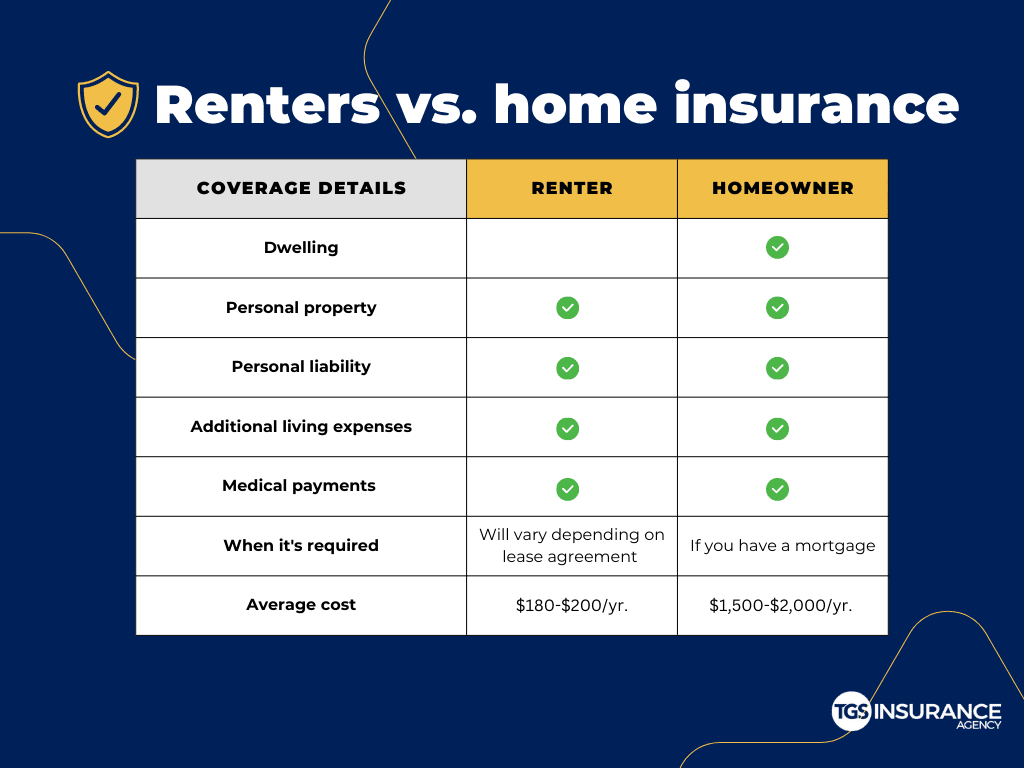
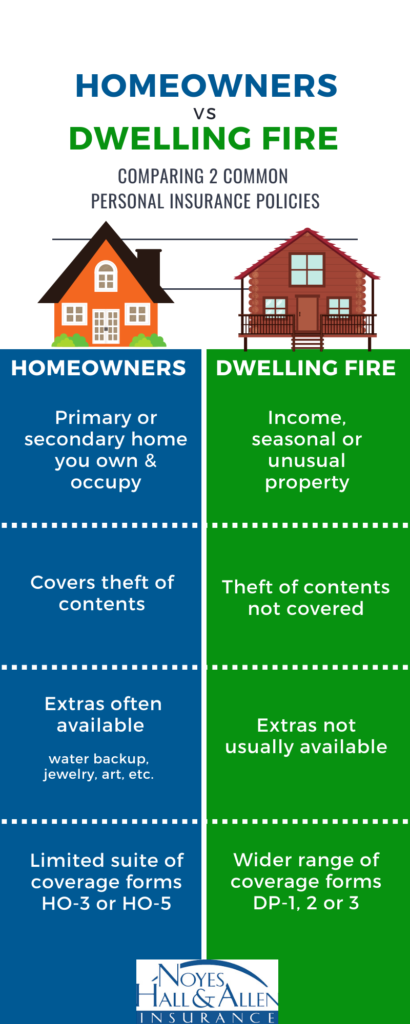
Condo insurance (HO-6) covers only your unit’s interior and personal property. Homeowners insurance (HO-3) covers the entire house structure and land. Condo owners share responsibility for common areas with other unit owners.
Does My Condo Insurance Cover Water Leaks?
It depends. Sudden leaks (like a burst pipe) are usually covered, but slow leaks or maintenance problems are not. Flooding from outside sources needs separate flood insurance.
Is Loss Assessment Coverage Necessary?
Yes, for most condo owners. If your HOA charges you for damage to common areas or a lawsuit, this coverage helps with your share of the bill.
Will My Policy Cover My Home Business Or Side Gig?
Standard condo insurance usually excludes business equipment and liability. You may need a business endorsement or separate policy for home-based work.
Can I Change My Coverage Limits Later?
Yes, you can update your coverage at any time—especially after renovations, big purchases, or changes in the HOA’s policy.
—
Condo insurance isn’t just another bill—it’s essential protection for your home, your belongings, and your financial security. By comparing policies carefully, understanding your HOA’s coverage, and asking the right questions, you can choose the right policy for your needs and budget.
Take the time to review your options and you’ll have peace of mind, no matter what life brings.
Read More:
- Directors And Officers Insurance Coverage: Essential Protection Guide
- Professional Liability Insurance Coverage: What You Need to Know
- Best Home Insurance Discounts 2026: Unlock Big Savings Now
- Indexed Universal Life Insurance Plans: Smart Wealth Protection
- Expat Health Insurance Coverage: What You Need to Know Now
- High Net Worth Insurance Providers: Secure Your Wealth Today
- Insurance SEO Services for Agencies: Boost Rankings & Leads
- Insurance Claim Settlement Process: Step-by-Step Guide to Success