
Professional Liability Insurance Coverage: What Every Professional Needs To Know
Mistakes can happen, even to the best professionals. A simple error, missed deadline, or poor advice can lead to unhappy clients and expensive lawsuits. For people who offer expert services—like doctors, consultants, accountants, architects, and engineers—these risks are real and can threaten their business and reputation. This is where professional liability insurance coverage becomes essential. It acts as a safety net, protecting professionals from legal claims and financial losses if something goes wrong.
In today’s world, even a small lawsuit can cost thousands of dollars in legal fees, settlements, and lost time. Having the right insurance is not just smart—sometimes it is required by law or industry rules. This article explains what professional liability insurance is, who needs it, how it works, and how to choose the right policy.
If you want to protect your career and business, keep reading.
What Is Professional Liability Insurance?
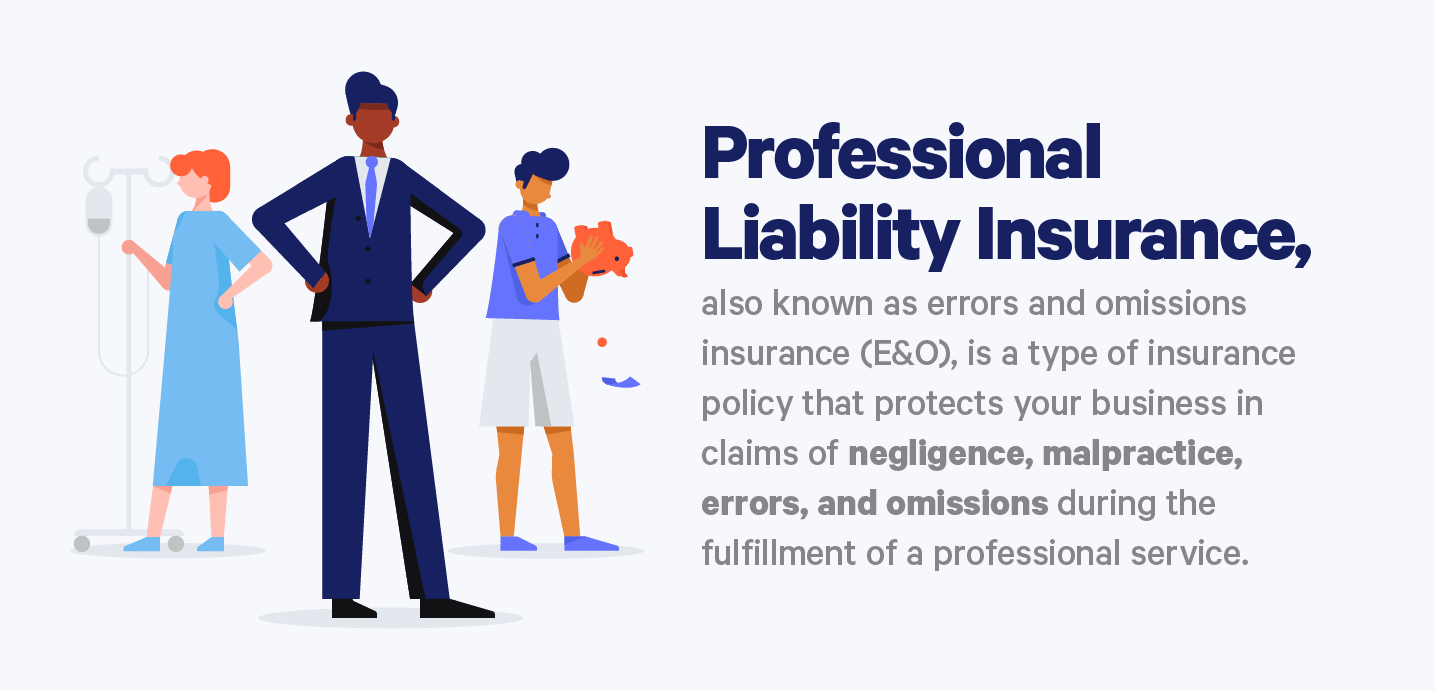
Professional liability insurance—also called errors and omissions (E&O) insurance or malpractice insurance—is a policy designed to protect professionals against claims of negligence, mistakes, or failure to perform their duties. It covers legal costs, settlements, and damages when a client accuses you of causing them financial harm through your work.
This insurance is different from general liability insurance, which covers injuries or property damage to third parties. Professional liability focuses on financial loss caused by your advice, services, or expertise.
How Does It Work?
Imagine an accountant makes a mistake on a client’s tax return, causing the client to pay a heavy IRS penalty. If the client sues, professional liability insurance would help cover legal defense costs, possible settlements, and judgments.
The policy usually works on a claims-made basis. This means the policy covers claims made while the insurance is active, even if the actual mistake happened earlier. If your policy lapses or is canceled, claims filed afterward may not be covered—even if the mistake was made during the policy period.
Who Needs Professional Liability Insurance?
Any professional who offers specialized advice or services should consider this insurance. Some careers carry more risk, but lawsuits can happen in almost any field.
Key professionals who need this coverage include:
- Doctors, dentists, and nurses (often called medical malpractice insurance)
- Lawyers and attorneys
- Accountants, auditors, and tax professionals
- Architects, engineers, and construction managers
- Consultants, IT professionals, and software developers
- Real estate agents and brokers
- Insurance agents and financial advisors
- Designers, marketers, and creative agencies
- Teachers, trainers, and counselors
Many clients or employers may require you to show proof of coverage before you can start work. Some regulatory bodies and industry associations also make it mandatory.
Surprising Professions At Risk
Even professionals who do not work with life-or-death situations can face lawsuits. For example, a web designer could be sued if a website they create fails and causes a client’s business loss. A management consultant could face legal action if their advice leads to a company’s financial setback.
:max_bytes(150000):strip_icc()/CPLI-3-2-ee0e63dbb446410093b4e052e0df52b3.jpg)
Credit: www.investopedia.com
What Does Professional Liability Insurance Cover?
Coverage details can change between policies and industries, but most professional liability policies include:
- Legal defense costs: Attorney fees, court costs, and investigation expenses—even if you are not at fault.
- Settlements and judgments: Money paid to the client if you lose or settle a lawsuit.
- Alleged negligence: Claims you failed to perform your duties or made an error.
- Misrepresentation: Claims you provided false or misleading information.
- Breach of contract: In some policies, if you fail to meet the terms of a contract.
- Personal injury: Such as libel, slander, or defamation, if related to your professional service.
What’s Not Covered?
Professional liability insurance does not cover everything. Common exclusions are:
- Bodily injury or property damage (that is for general liability policies)
- Intentional wrongdoing or fraud
- Employee injuries (covered by workers’ compensation)
- False advertising or patent infringement
- Punitive damages (in some areas)
- Prior knowledge: Claims you knew about before the policy started
How Much Does Professional Liability Insurance Cost?
Cost depends on several factors, such as your profession, location, years of experience, claims history, and policy limits. Here is a simple comparison of average annual costs for various professions:
| Profession | Average Annual Cost | Typical Coverage Limit |
|---|---|---|
| Accountant | $500 – $2,000 | $1M per claim |
| Consultant (IT) | $800 – $2,500 | $1M per claim |
| Lawyer | $1,200 – $3,500 | $1M per claim |
| Architect | $1,500 – $4,000 | $2M per claim |
| Medical Doctor | $4,000 – $15,000+ | $1M–$3M per claim |
These numbers are only averages. High-risk specialties, larger clients, or higher policy limits can increase the price.
Factors That Affect Your Premium
- Industry risk level: Medical and legal fields cost more due to higher claim frequency.
- Claims history: Past lawsuits or complaints raise your rates.
- Policy limits: Higher limits mean higher premiums.
- Deductible: Higher deductibles lower your premium but increase your out-of-pocket cost during a claim.
- Business size: More employees or bigger projects increase cost.
How To Choose The Right Policy
Picking the right professional liability insurance takes careful thought. Here are practical steps to guide you:
- Know your risks: Consider the specific risks in your profession. For example, a doctor faces different risks than a marketing consultant.
- Check client and legal requirements: Make sure your policy meets the minimum limits set by clients or industry regulations.
- Understand coverage limits: Choose a limit that covers your worst-case scenario. Many small businesses choose $1 million per claim, but high-risk fields may need more.
- Compare policies: Don’t pick the cheapest option without checking what’s included (and what’s not).
- Look for add-ons: Some policies offer extras, like cyber liability or privacy breach coverage.
- Review claims process: A fast, fair claims process is critical. Read reviews or ask other professionals about their experience.
Sample Policy Comparison
Here’s a side-by-side look at two sample policies for a small consulting business:
| Feature | Policy A | Policy B |
|---|---|---|
| Annual Premium | $950 | $1,200 |
| Coverage Limit | $1M per claim | $2M per claim |
| Deductible | $2,500 | $1,000 |
| Covers Breach of Contract | No | Yes |
| Retroactive Coverage | 1 year | 3 years |
Policy B costs more but offers a higher coverage limit, a lower deductible, and broader protection. The right choice depends on your risk tolerance and contract needs.
Common Mistakes When Buying Professional Liability Insurance
Many professionals make errors when buying insurance. Avoid these common mistakes:
- Underinsuring: Picking a policy limit that is too low to save money. One big claim can wipe out your coverage and leave you paying the rest.
- Ignoring exclusions: Not reading the fine print. You may think you are covered for something that’s actually excluded.
- Letting coverage lapse: If you cancel or forget to renew, you can lose protection for past work.
- Not updating policy: As your business grows or changes, your risk profile changes. Update your policy to match new services or contracts.
- Assuming general liability is enough: General liability won’t cover professional errors or advice.

Credit: howmuch.net
Claims Process: What To Expect
If a client files a claim against you, the process usually follows these steps:
- Notify your insurer immediately. Delay can cause denial of coverage.
- Submit all documents: Send contracts, emails, and any communication with the client.
- Insurer assigns a claims adjuster: This person manages your case and may hire a lawyer for you.
- Investigation: The insurer checks details, interviews parties, and reviews evidence.
- Legal defense or settlement: The insurer pays for your defense and may negotiate a settlement if needed.
- Resolution: If you lose, the insurer pays up to your policy limit (minus your deductible).
Real Example
A marketing consultant is sued for giving advice that caused a client to lose money. The insurance company hires a lawyer, covers court costs, and negotiates a settlement. The consultant pays only the deductible, not the full cost of the lawsuit.
Practical Tips For Lowering Risk And Premiums
- Document everything: Keep detailed records of contracts, changes, and client communication.
- Use clear contracts: Define your services, timelines, and limits of responsibility.
- Stay updated: Regularly train on new laws, industry standards, and best practices.
- Ask for client feedback: Early feedback helps you fix small issues before they become big problems.
- Bundle policies: Some insurers offer discounts if you buy multiple types of coverage together.
Credit: www.embroker.com
Insights Professionals Often Miss
- Retroactive dates matter: Your policy’s retroactive date is the earliest date a covered incident can happen. If you switch insurers, make sure the new policy covers past work, or you may face a coverage gap.
- Claims-made vs. occurrence policies: Most professional liability policies are claims-made, not occurrence-based. This means you must have coverage when the claim is made—not just when the mistake happened. If you retire or change careers, consider tail coverage to protect against future claims.
The Value Of Professional Liability Insurance
Some professionals believe lawsuits are rare or that only big companies get sued. In reality, small mistakes can lead to big legal battles. According to the American Bar Association, 5–6% of all lawyers face a malpractice claim each year. For doctors, nearly one in three will be sued at least once during their career. The risk is real for everyone.
Professional liability insurance is not just about money—it is about peace of mind. It lets you focus on doing your best work, knowing that you are protected if things go wrong.
For more details and industry data, visit the Insurance Information Institute.
Frequently Asked Questions
What Is The Difference Between Professional Liability And General Liability Insurance?
Professional liability insurance covers claims from mistakes or poor advice in your work. General liability insurance covers third-party injuries or property damage, like a client slipping in your office. Both are important, but they protect you from different risks.
Is Professional Liability Insurance Required By Law?
In some states and professions, yes. For example, doctors and lawyers often must carry it. Some industries and clients also require proof of insurance before working with you.
How Much Coverage Do I Need?
It depends on your profession, clients, and risk level. Many professionals choose at least $1 million per claim. High-risk fields or contracts may require higher limits. Check with your industry association or legal advisor.
What Should I Do If I Get A Claim Or Lawsuit?
Notify your insurer right away—do not try to handle it yourself. Provide all documents and follow the insurer’s instructions. Acting quickly helps protect your coverage.
Can I Switch Insurers Without Losing Coverage?
Yes, but be careful about your retroactive date. Make sure your new policy covers past work, or buy tail coverage to close any gaps. Otherwise, you could be unprotected for earlier mistakes.
Professional liability insurance is a smart investment for anyone who provides advice or services. It can save your business, your finances, and your reputation when the unexpected happens. Take time to choose the right policy and stay protected as your career grows.
Read More:
- Condo Insurance Policy Comparison: Find the Best Coverage Fast
- Directors And Officers Insurance Coverage: Essential Protection Guide
- Best Home Insurance Discounts 2026: Unlock Big Savings Now
- Indexed Universal Life Insurance Plans: Smart Wealth Protection
- Expat Health Insurance Coverage: What You Need to Know Now
- High Net Worth Insurance Providers: Secure Your Wealth Today
- Insurance SEO Services for Agencies: Boost Rankings & Leads
- Insurance Claim Settlement Process: Step-by-Step Guide to Success